NTE Elemental Reaction System: 6 Elements, Reaction Strength & Damage Tier List
An in-depth breakdown of Neverness to Everness (NTE) core combat mechanics — the Elemental Reaction system and Reaction Strength. Covers all 6 elements, all 8 reactions (Blossom/Stain/Scorch/Nova/Hexed/Remora/Charge/Discord), a damage tier list, and how to pair elements to maximize team output.
Published: 2026/05/19
Key takeaway: “Elemental Reactions” are the core of NTE combat — the game has 6 elements (Cosmos, Chaos, Anima, Psyche, Incantation, Lakshana), and characters with adjacent elements trigger “reactions” with each other, dealing extra effects and greatly boosting damage. Keeping all four characters’ elements adjacent is the most fundamental principle for raising output when building a team.
“Elemental Reactions” are the core of NTE combat. Understanding them is the first step to building a powerful team.
The 6 Elements
Characters in the game are divided into 6 elements, and each character belongs permanently to one of them:
When building a team, how you pair elements directly affects your damage output.
What Is an Elemental Reaction
The key rule is: a reaction can only trigger between “adjacent” elements. When the characters on your team have elements that can react with each other, you gain extra effects and boost overall damage.
Common reaction pairings include:
- Cosmos + Anima — the Blossom system: spawns large numbers of auto-attacking flowers for steady sustained damage.
- Cosmos + Incantation — slow / crowd control: slows enemies and opens up damage windows for the team.
All 8 Reactions at a Glance
The 6 elements are arranged into a fixed ring, and only adjacent elements can trigger reactions. Reactions come in two types:
- Binary reactions (two adjacent elements on the ring): Blossom, Hexed, Stain, Scorch, Nova, Remora
- Ternary reactions (completing a full triangle): Charge (upper triangle), Discord (lower triangle)
| Reaction | Type | Core Effect |
|---|---|---|
| Blossom | Binary | Spawns auto-attacking flowers on the field — the ring’s only “continuous automatic damage source” |
| Stain ⭐ | Binary | Raises the Psyche and Lakshana damage the target takes by +50% for 12 seconds (strongest pure damage bonus) |
| Scorch | Binary | A burning DoT lasting 15 seconds (longest of the binaries); sets up Discord |
| Nova | Binary | Attaches a detonation after 5 seconds for heavy Psyche damage (delayed burst); sets up Discord |
| Hexed | Binary | Bonus damage = 20% of the damage taken over the past 12 seconds; often used as a secondary reaction in Blossom teams |
| Remora | Binary | Lowers the target’s movement and attack speed for 5 seconds (the ring’s only pure crowd control); sets up Charge |
| Discord ⭐ | Ternary | Triggers when both Scorch and Nova are applied; continuously drains stagger, strongest against high-HP bosses |
| Charge | Ternary | Triggers after chaining Remora + Blossom; restores ultimate energy for the whole team, the engine for quick-swap burst |
The exact element pairings that trigger each reaction, as well as the translated names, vary slightly between sources — defer to the in-game icons.
Reaction Strength: A Damage Tier List for All 8 Reactions
“Reaction Strength” refers to each reaction’s actual contribution to team output. By practical value, the reactions fall into four tiers (a use-case-oriented ranking rather than absolute numbers — in-game values are authoritative):
- T0 — Directly Determines Your Damage Ceiling
- Stain: the ring’s strongest pure damage bonus (Psyche / Lakshana damage +50%, near-permanent over 12 seconds), practically a staple for any Psyche / Lakshana Main DPS.
- Discord: the strongest stagger-break; against high-HP bosses it pushes the “break stagger → burst” cycle to its fastest, the single-target ceiling.
- T1 — Powerful Core Damage
- Blossom: the ring’s only continuous automatic damage source, a set-and-forget stable DPS.
- Scorch: the longest binary DoT (15 seconds), strong off-field damage.
- Nova: a delayed heavy burst, ideal for capping off a high-damage rotation.
- T2 — Buffs and Engines (Indirect Output Boost)
- Charge: restores ultimate energy for the whole team and increases ultimate frequency, the core engine of quick-swap teams.
- Hexed: re-adds 20% of previously accumulated damage, with sizable returns as a secondary reaction in Blossom teams.
- T3 — Pure Utility
- Remora: pure crowd control (slow); no direct damage on its own, but the glue that holds Charge / Stain teams together.
In one sentence: for pure damage stacking, pick Stain; for breaking boss stagger, pick Discord; for stable sustain, pick Blossom / Charge. For each reaction’s detailed team compositions, representative Main DPS, and free-to-play replacements, see the Complete Reaction Team Compendium.
Team Structure
A standard team is 4 characters, with roles split as follows:
| Role | Description |
|---|---|
| Main DPS | The team’s primary damage source |
| Sub DPS | Supplemental damage, combo bridging |
| Support | Provides buffs, crowd control |
| Survival / Healing | Keeps the team alive |
Representative Characters by Element
 Anima
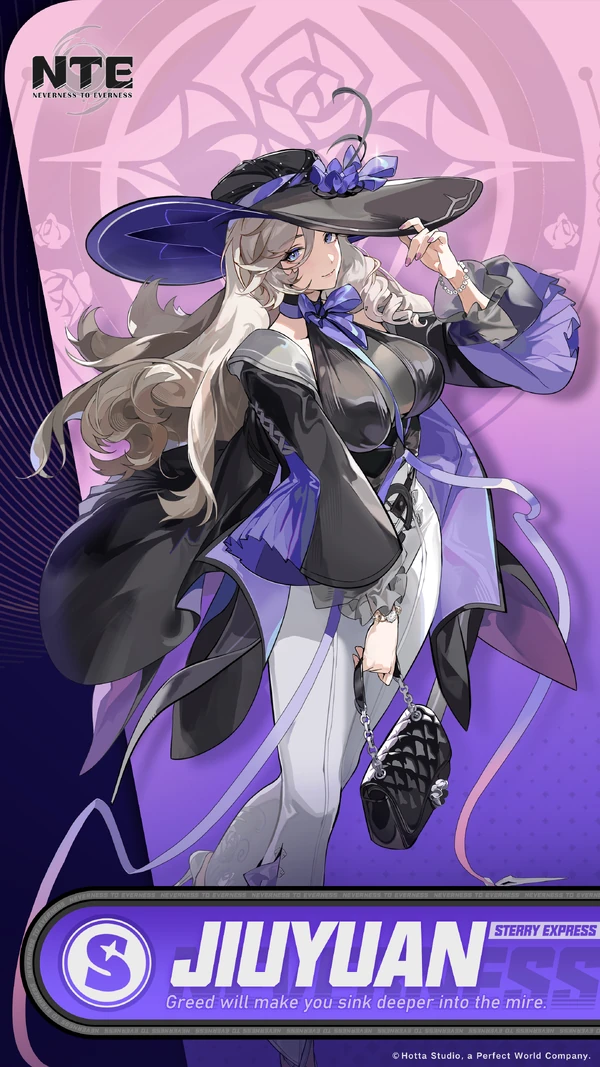
Anima Jiuyuan
Sub DPS / Grouping
 Cosmos
 Chiz
Main DPS
 Incantation
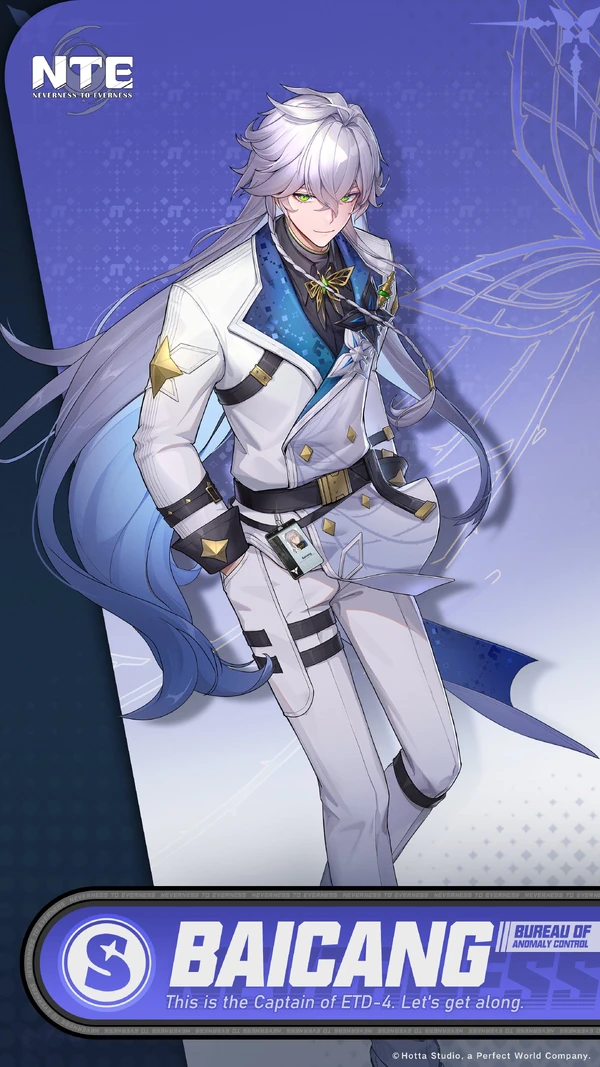
 Baicang
Main DPS
 Lakshana
 Hathor
Main DPS
When building a team, besides considering role distribution, you also want the team’s elements to be able to react with each other. Make good use of the element filter in the Character Index to plan your lineup.
This article compiles data from community sources. Defer to the in-game values and mechanics as authoritative.
Frequently Asked Questions
How many elements are there in NTE? +
Neverness to Everness (NTE) has 6 elements in total: Cosmos, Chaos, Anima, Psyche, Incantation, and Lakshana. Each character belongs permanently to one of them, and how you pair elements when building a team directly affects your damage output.
What is an Elemental Reaction, and how do you trigger one? +
Elemental Reactions are the core of NTE combat. The key rule is that a reaction can only trigger between "adjacent" elements. Once triggered, it grants extra effects and boosts overall damage.
What is the best way to pair elements when building an NTE team? +
The basic principle is to keep all four characters' elements adjacent to one another so the team can react with each other. Common pairings include Cosmos + Anima (the Blossom system), which spawns large numbers of auto-attacking flowers for steady sustained damage, and Cosmos + Incantation (slow / crowd control), which slows enemies and opens up damage windows.
How many characters are in an NTE team, and what are the roles? +
A standard team is 4 characters, split into Main DPS (primary damage), Sub DPS (supplemental damage and combo bridging), Support (buffs and crowd control), and Survival / Healing (keeping the team alive).
What is the strongest Elemental Reaction in NTE? +
It depends on the goal: for pure damage bonus, Stain is the strongest (raises the Psyche / Lakshana damage the target takes by +50%, with near-permanent uptime); for high-HP bosses, Discord is the strongest (continuously drains stagger, accelerating the break-and-burst cycle). For sustained damage, look at Blossom; for resource sustain, look at Charge. See the Complete Reaction Team Compendium. In-game values are authoritative.
Was this page helpful?
Related articles

NTE Full Reaction Team Compendium: All 8 Elemental Reaction Teams, Signature Comps per Main DPS, F2P Quick Reference
Does Neverness to Everness (NTE) Have Dyes? Can You Dye Clothes? Full Appearance, Outfit & Vehicle Paint Guide