Team Building Basics: Squad Structure & Element Pairing
How do you build a 4-person team in Neverness to Everness (NTE)? From role division to elemental reactions, here are the fundamental principles of team building in one read.
Published: 2026/05/15
Quick answer: Neverness to Everness uses 4-person squads, with the basic structure being “Main DPS (primary damage) + Sub-DPS (secondary damage / tempo) + Buffer (buffs) + Healer or Survival”. The two keys to team building: (1) cover all roles; (2) let adjacent elements trigger elemental reactions off one another to greatly boost damage.
Combat in Neverness to Everness uses 4-person squads, and how well your team is built directly determines your clear efficiency. This article lays out the fundamental principles of team building.
Role Division Within a Squad
A standard squad is made up of 4 characters, with the common structure as follows:
| Role | Count | Function |
|---|---|---|
| Main DPS | 1 | Team’s primary source of damage |
| Sub-DPS | 1 | Supplements damage, bridges combos |
| Buffer | 1 | Provides buffs, crowd control |
| Survival / Healer | 1 | Keeps the team sustained |
“One Main, one Sub + two Buffer / Survival” is a solid opening setup. You can use the team builder to actually lay it out and experiment.
Bonuses from Element Pairing
Beyond role division, element pairing is just as crucial. The core mechanic, the elemental reaction, lets characters of adjacent elements trigger reactions off one another, providing extra effects and damage. For the full mechanic, see the elemental reaction system explained.
When building a team, you don’t need to memorize the entire elemental wheel — you only need to remember one operating rule: make sure at least one of your Sub-DPS or Buffer can trigger a reaction with your Main DPS. The table below turns “I rolled a certain type of Main DPS — which direction should I look for teammates” directly into a decision chart, so you can pick by following it and avoid building an “empty team” that can’t trigger reactions:
| Main DPS element leaning | Reaction you want to run | What element the Sub-DPS / Buffer should add | Viable F2P? |
|---|---|---|---|
| Anima (Nanally) | Bloom (place flowers for sustained damage) | Add “an element adjacent to Anima (Cosmos)” to enable Bloom; Jiuyuan is also Anima and can stack flowers | ✅ Viable |
| Cosmos (Chiz) | Charge (refill ultimate energy) | Pair up “the triangle Cosmos belongs to” to run tri-element Charge, with Jiuyuan and Hathor | ✅ Viable |
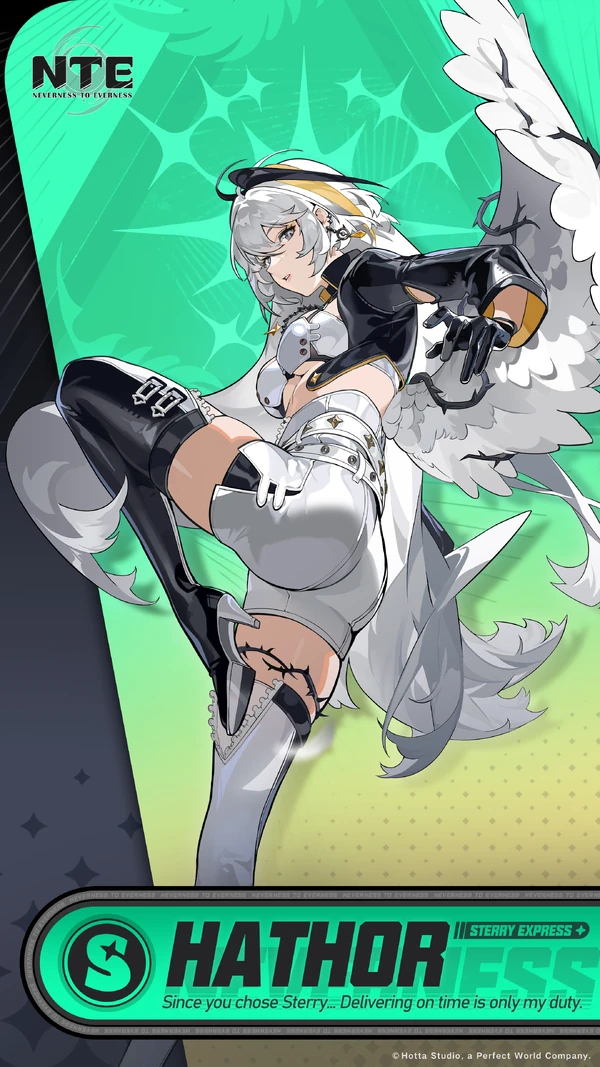
| Lakshana (Hathor) / Psyche (Aurelia) | Taint (Psyche/Lakshana damage +50%) | Add the other “Psyche or Lakshana” to keep Taint up permanently; Skia is a free Lakshana | ✅ Viable |
| Incantation (Baicang) | Burn → Dissonance | Requires a Chaos element (Daffodill) for Detonation to assemble Dissonance | ⚠️ No free Chaos unit |
ℹ Important note: The Chinese-to-English mapping of the 6 elements follows this site’s standard (Cosmos / Chaos / Anima / Psyche / Incantation / Lakshana). The exact trigger element for each reaction varies slightly between sources, so go by the in-game icons; however, “which characters make up which reaction team” is highly consistent across sources, so you can reference it with confidence. To see all 8 reactions broken down one by one, see the Reaction Teams Compendium.
The most common team-building misconception: many beginners think “putting the four strongest characters on paper together makes the strongest team”. In reality, if none of the four characters’ elements are adjacent to each other, you can’t trigger a single reaction, and your damage ends up lower than a “mid-tier team whose elements connect”. Whether elements can react matters more than individual character strength.
Example Team: Free Beginner Team (per-character explanation of why each is here)
Free launch characters are enough to put together a workable team. The point isn’t “which four people you have”, but why each slot uses this particular person — once you understand the reasoning, you’ll know who can substitute in when you swap in characters from your own roster:



| Slot | Character | Why they’re on this team (substitution reasoning) |
|---|---|---|
| Main DPS | Chiz | Obtained for free by pushing “City Tycoon” to level 18; her damage is enough to carry the 1.0 main story. She runs the “Charge” system and can refill her own ultimate energy, giving good sustain without leaning on a Buffer |
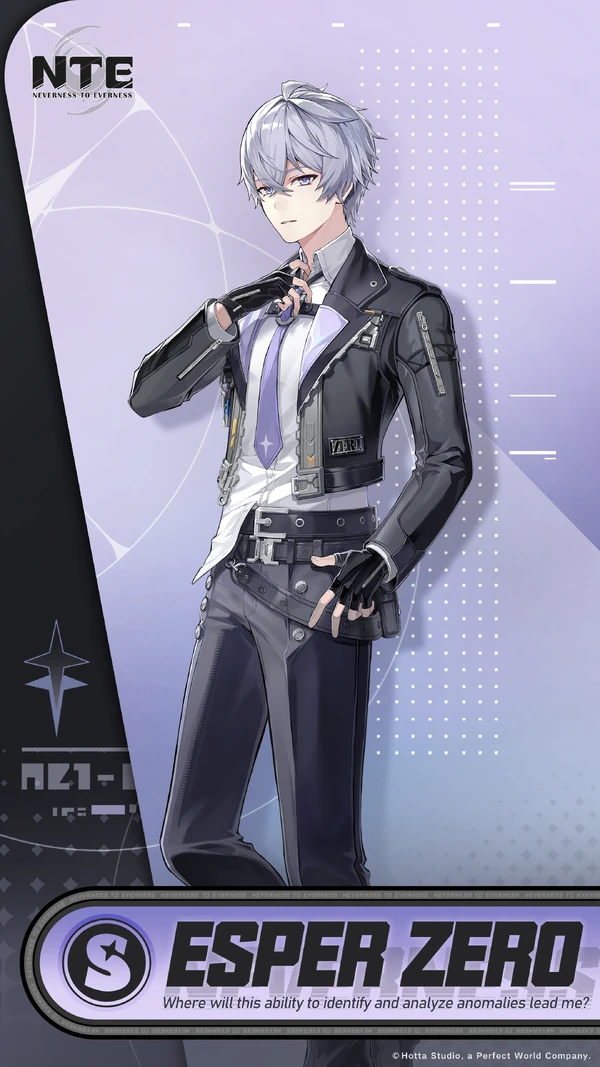
| Sub-DPS / Tempo | Esper Zero | The protagonist you get right at the start. He fills the reaction gauge almost instantly on entry, making him this team’s “starter”; each rotation he swaps in to detonate the reaction, then passes the baton |
| Healer | Haniel | Maintains sustain so you don’t have to break your damage to heal up; high-difficulty content is nearly unbeatable without a survival slot |
| Substitute / Second Main DPS | Aurelia | One of the most reliable free damage dealers early on; she can fill in as Main DPS before Chiz is built up, or serve as a second damage dealer to cover gaps |
This setup costs almost nothing yet is enough to clear 1.0 content.
How to swap in your own characters: follow the “Starter (Esper Zero) + Main DPS + Healer + Filler” skeleton, swap the Main DPS for the S-tier damage dealer you rolled, and swap the Healer for any survival unit. The one thing you can’t drop is Esper Zero — he’s responsible for instantly charging the reaction gauge each rotation and detonating reactions; without a “fast-swap starter” of his kind, the whole rotation slows down dramatically. Fadia is another starter of the same type and can fill Esper Zero’s slot.
To see more directly usable compositions (free + self-chosen S-tier teams, dual-core teams), see Recommended Teams. This article focuses on “why you build it this way”; the Recommended Teams page focuses on “which ready-made templates exist”.
Example Team: Advanced Boss Stagger Team (compared against the beginner team)
Once you start fighting high-HP bosses, just “being able to do reactions” isn’t enough — you also need to stagger quickly (break poise) to land in the burst window. At this point the team logic shifts from “sustained damage” toward “concentrated stagger → one burst combo”. Take Baicang’s Burn/Dissonance team as an example:
 Incantation
 Baicang
Main DPS
 Chaos
Chaos Daffodill
Sub DPS
 Psyche
 Haniel
Buffer
 Incantation
 Sakiri
Buffer / Grouping
| Slot | Character | Why they’re on this team |
|---|---|---|
| Main DPS | Baicang (Incantation) | Her kit is built entirely around “Burn”; her basic attacks constantly generate “True Words” that add a second instance of Burn, serving as the Burn setup source for Dissonance |
| Sub-DPS / Stagger Engine | Daffodill (Chaos) | The Chaos element provides the “Detonation” setup, operating via high-frequency swap-ins; only with Burn + Detonation applied at the same time can you assemble Dissonance and keep staggering |
| Buffer | Sakiri (Incantation) | A nearly universal buff slot — team ATK boost + DoT damage boost, especially strengthening the Burn/Dissonance line |
| Healer / Detonation Support | Haniel (Psyche) | Maintains survival and can also supply the Detonation setup within the rotation; boss fights drag on, so the survival slot is even harder to skip than in clearing mobs |
The key difference from the beginner team: the beginner team (Chiz Charge team) seeks “sustain + sustained damage” and suits clearing stages; this one seeks “apply Burn + Detonation simultaneously to trigger Dissonance → stagger quickly → drop them in one combo” and suits single-target bosses. When the content changes, the team logic has to change with it — that’s the core of advanced team building.
⚠️ This team is gated on the Chaos element (Daffodill is a limited character), making it hard for F2P players to fully assemble; it’s an advanced option once you’ve rolled a Chaos main. F2P players wanting to fight bosses can switch to a Taint team (Hathor/Aurelia + Skia) and take the “stack pure damage buffs and grind them down” route. For the full F2P substitute mapping of each reaction, see the Reaction Teams Compendium.
Trade-off Scenarios for the Four Roles (who comes first when you’re short on characters)
The ideal team has all four roles — “Main DPS + Sub-DPS + Buffer + Healer” — but beginners often can’t fill them all. Below are the trade-offs you’ll run into most often in practice; let the scenario decide which slot can be sacrificed first:
- Fighting high-HP bosses / high difficulty: the survival slot can’t be cut. A boss can one-shot a squishy team with a single skill; no matter how high your damage is, without a Healer or shield it’s all for nothing. Better to drop a damage dealer than to lose Haniel (Healer) or Adler (shield).
- Clearing mobs / pushing stages: enemies don’t hurt but come in numbers, so the Buffer’s “grouping” value is highest. Sakiri pulls enemies into a clump so reactions and area damage land in full; in this kind of scenario you can drop the Healer and pack in two damage dealers.
- Your roster only has three usable units: better to lack a Sub-DPS than a Buffer or Main DPS. One strong Main DPS + one buff Buffer + one survival unit can run most of the content; the Sub-DPS is just “one more source of damage” and can be covered by a second Buffer or an extra Healer.
- The Main DPS has built-in sustain (e.g. Chiz refilling energy via Charge): you can drop one pure Buffer and give the slot to a second damage dealer or a survival unit, since the Main DPS feeds its own energy.
In one line: the number of damage slots depends on “do the enemies hurt”; whether you need a survival slot depends on “will you get one-shot”; the Buffer slot depends on “are there lots of enemies, do you need to group them”. Settle these three things by scenario first, then go fill in characters.
From Beginner to Advanced: The Three Stages of Team Building
Team-building ability grows in stages — don’t chase “fast-swap on-axis play” right from the start. Check which stage you’re currently at:
| Stage | Team-building goal | What you should do |
|---|---|---|
| Beginner (just launched) | Cover all roles, just be able to trigger reactions | Use the free team (Chiz/Esper Zero/Haniel/Aurelia); first assemble “Main DPS + Starter + Survival” without chasing the limit |
| Advanced (have 1–2 S-tier Main DPS) | Build a team around the Main DPS that keeps reactions up | Following the “element decision chart” above, add a Sub-DPS/Buffer of an adjacent element so Taint, Bloom, or Charge triggers reliably |
| Expert (deep roster) | Swap teams for the content, chase rotation efficiency | Bring a Dissonance/stagger team for bosses and a grouping team for clearing; start practicing the swap order and burst timing of combo rotations |
The key mindset: at the beginner stage, “being able to build a team that works” is enough; only at the expert stage do you need multiple teams prepped for different content. Don’t stress over not having “the strongest team” when you only have a few characters.
Common Roadblocks & Fixes (self-check list)
If you’ve built a team but feel like you “can’t deal damage”, it’s usually not that your characters aren’t strong enough, but that your setup hit one of the pitfalls below. Run through this once before deploying:
- “All four are damage dealers, yet fights take longer and longer” → most likely your elements are scattered with no reaction triggering, or you have no grouping/stagger unit. First confirm you have at least one reaction line (check the element decision chart), then add a Buffer.
- “Reactions are triggering, but the boss still takes ages” → you’re missing stagger means. Bring in a stagger engine like Daffodill to run Dissonance, or switch to a Taint team and stack pure damage buffs to the max; grinding HP is worse than staggering first then bursting.
- “Damage is enough, but I keep getting wiped” → you cut the survival slot. For high difficulty, first add back a Healer (Haniel) or shield (Adler); better to go slow than to drop dead.
- “I have a strong Main DPS but don’t know who to pair” → don’t force in another strong Main DPS (two Main DPS fight over field time). Prioritize adding a Sub-DPS/Buffer whose element can react with them + one survival unit.
- “I want to run Dissonance/Burn but can’t assemble it” → you’re probably missing a Chaos element character. Free Chaos units are extremely scarce, so as F2P don’t fixate on Dissonance early — switch to Bloom/Charge/Taint, the three lines that are easy to form as F2P.
Not sure whether your team has any role gaps? Just drop it into the team builder and it’ll instantly flag which slot you’re missing.
After Building the Team: The Next Step Is Practicing Technique
Gathering the people is only the first step. With the same team, whether you press the swap order correctly can double your damage. For instance, a Bloom team wants the Main DPS to enter last to soak up all the buffs, while a Dissonance team must “Burn first, then Detonate” to chain the reaction. This content — “what order your fingers should press once you have the team” — isn’t repeated here; see the Combo Rotations Compendium for details.
The division of the three team-building articles: this article covers “squad structure and how to pair elements”; the Reaction Teams Compendium covers “which characters make up which reaction team, and F2P substitutes”; combo rotations covers “how to operate once you have the team”.
Beginner Team-Building Tips (quick SOP)
- Decide the Main DPS first — the whole team is built around your primary damage dealer, and build-up resources go to them first.
- Add the Sub-DPS and Buffer — use the element decision chart above to pick characters whose elements can react with the Main DPS, ensuring at least one reaction line is established.
- Don’t ignore survival — in high-difficulty content, if the team is too squishy, no amount of damage will hold up; confirm you have a Healer or shield before chasing on-paper strength.
- Keep a “Starter” — a character like Esper Zero or Fadia who instantly charges the reaction gauge on entry is the engine of every fast-swap team; try to keep one.
Head to the character index to filter teammates by element and role, or use the team builder to instantly check whether your team has any role gaps.
FAQ
How do you build a team in Neverness to Everness? What is the basic structure? +
Neverness to Everness uses 4-person squads, with the standard structure being "Main DPS (primary damage) + Sub-DPS (secondary damage / tempo) + Buffer (buffs / crowd control) + Healer or Survival". One Main, one Sub, plus two Buffer/Survival units is a solid opening setup.
What does each role in Neverness to Everness do? +
The Main DPS is the team's primary source of damage; the Sub-DPS supplements damage and bridges combos; the Buffer provides buffs and crowd control; the Survival/Healer keeps the team sustained. Covering all four roles, with no overlaps or gaps, is the first step of team building.
What are elemental reactions in Neverness to Everness, and why do they matter? +
The core mechanic, the elemental reaction (Yineng Huanhe), lets characters of adjacent elements trigger reactions off each other, providing extra effects and damage — it is the key to whether your team can actually do enough damage. When building a team, you want your Sub-DPS and Buffer elements to be able to react with your Main DPS wherever possible. See the elemental reaction system explained for details.
How do beginners build a free team in Neverness to Everness? +
Free launch characters are enough to put together a workable team: use Chiz as Main DPS, Esper Zero as Sub-DPS, Haniel as Healer, with Aurelia as a substitute or second Main DPS. This setup costs almost nothing yet is enough to clear 1.0 content.
This article’s information is compiled from community sources; actual mechanics are subject to the in-game version.
Was this page helpful?